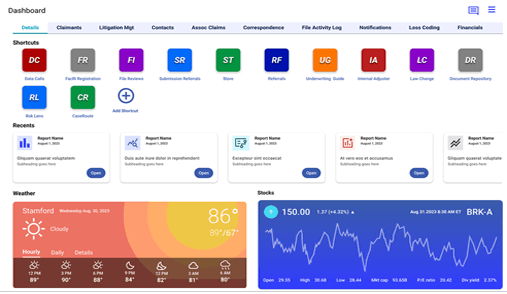
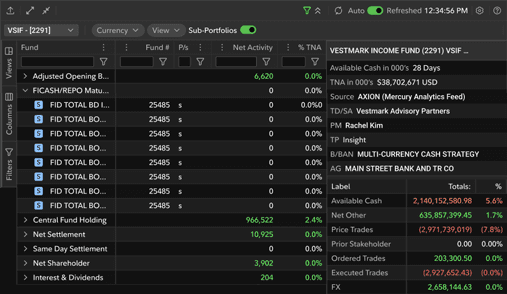
Case Studies / Gator Design System

Case Studies / Gator Design System

Case Studies / Gator Design System

Gator Design System For Staffing Workflows

Gator Design System For Staffing Workflows

Gator Design System For Staffing Workflows

Read time: 3 - 5 minutes
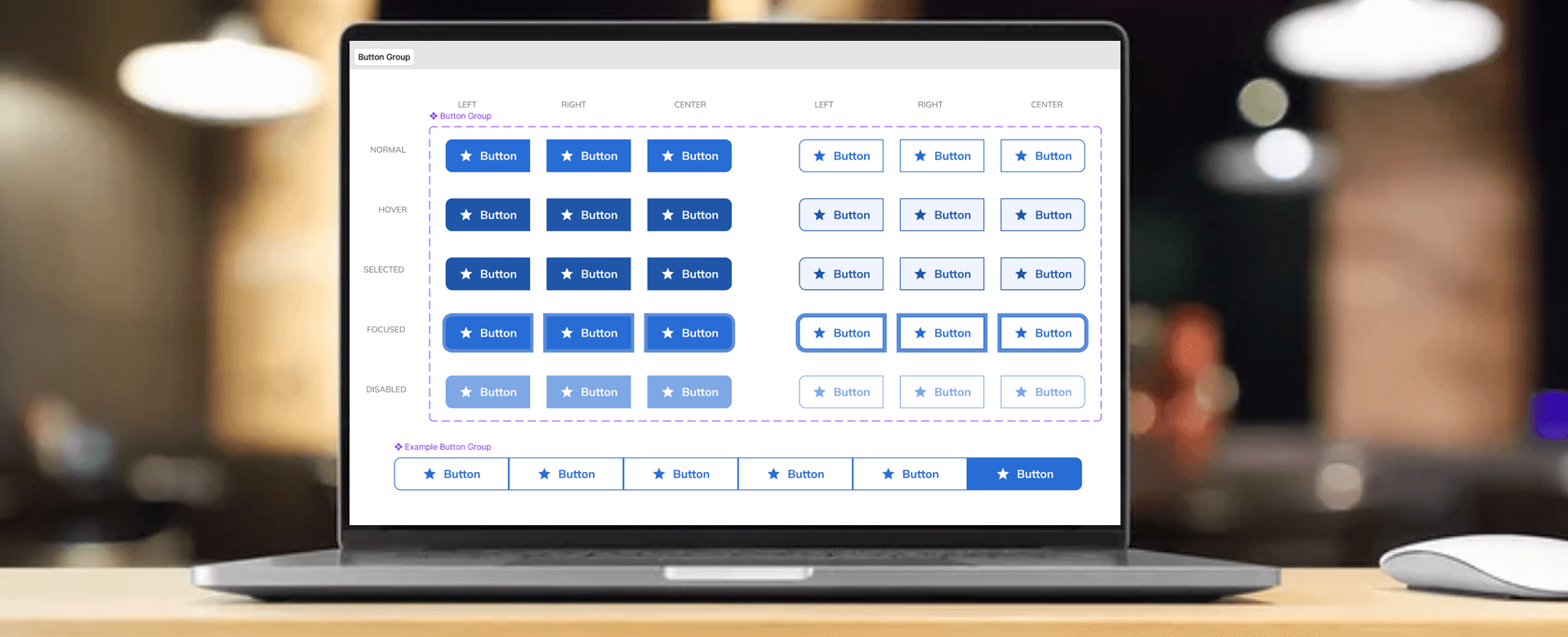
Madison Resources’ in‑house CRM, Navigator, had grown across multiple frameworks with no shared design logic. UI drift, inconsistent components, and ad‑hoc styling slowed delivery and increased cognitive load for staffing coordinators. I partnered with Product, UX, and Engineering to create Gator an atomic design system that unified patterns, reduced technical debt, and established a scalable foundation for CRM, Payroll, and Onboarding teams.

Madison Resources’ in‑house CRM, Navigator, had grown across multiple frameworks with no shared design logic. UI drift, inconsistent components, and ad‑hoc styling slowed delivery and increased cognitive load for staffing coordinators. I partnered with Product, UX, and Engineering to create Gator an atomic design system that unified patterns, reduced technical debt, and established a scalable foundation for CRM, Payroll, and Onboarding teams.

Client

Client

Client

General Star

Role

Role

Role

Senior UX Designer

Senior UX Designer

Senior UX Designer

Timeline

6 months

6 months

6 months

Team

UX, Product, Engineering

UX, Product, Engineering

UX, Product, Engineering

Tools Used

Figma, Jira, Confluence

Figma, Jira, Confluence

Figma, Jira, Confluence

Deliverables

Atomic component library, Figma variants and usage rules, multi‑framework implementation guidance, CRM audit and drift remediation logic, scalable UI templates for CRM/Payroll/Onboarding

Atomic component library, Figma variants and usage rules, multi‑framework implementation guidance, CRM audit and drift remediation logic, scalable UI templates for CRM/Payroll/Onboarding

Atomic component library, Figma variants and usage rules, multi‑framework implementation guidance, CRM audit and drift remediation logic, scalable UI templates for CRM/Payroll/Onboarding

Results

• 40% faster UI delivery across CRM modules

• Reduced styling debt and cognitive load

• Unified design logic adopted across three product teams

• Increased engineering trust and consistency

• 30% faster underwriting decisions

• Reduced cognitive load and manual lookups

• Design system adopted across GENESIS G2 platform

  • 30% faster underwriting decisions

  • Reduced cognitive load and manual lookups

  • Design system adopted across GENESIS G2 platform

The Challenge

Madison’s CRM had grown across multiple frameworks with no shared design logic. UI drift, inconsistent components, and ad-hoc styling slowed delivery and increased cognitive load for staffing coordinators. Engineering trust was low, and scaling design across Payroll and Onboarding teams felt brittle and reactive.

MY ROLE

Senior UX Designer

Senior UX Designer

Senior UX Designer

As the Senior UX Designer, I led the end‑to‑end creation of the Gator Design System, partnering closely with Product and Engineering to untangle UI drift, define atomic components, and establish a unified visual language across CRM, Payroll, and Onboarding tools. I drove audits, component architecture, accessibility alignment, and multi‑framework implementation guidance, ensuring the system was both scalable for teams and trustworthy for developers.

I led the strategic redesign of General Star’s underwriting dashboard, architecting a unified workflow that replaced fragmented tools and manual triage. I partnered with underwriting leadership, product, and engineering to define risk logic, streamline decision paths, and deliver a scalable, Material-aligned UI system adopted across the GENESIS G2 platform.

THE APPROACH

Process

Process

Led the creation of Madison’s atomic design system, Gator, in partnership with product and engineering. Audited UI drift, defined scalable components, and unified design logic across CRM, Payroll, and Onboarding workflows. The system reduced styling debt, increased engineering trust, and enabled consistent delivery across multiple frameworks.

  • Faster UI delivery with reusable, governed components

  • Scalable design logic adopted across three product teams

  • Less cognitive load from consistent patterns and reduced visual noise

STEP 1

UI Audit & Stakeholder Alignment

UI Audit & Stakeholder Alignment

UI Audit & Stakeholder Alignment

Reviewed CRM screens, legacy modules, and engineering workflows to identify drift, inconsistencies, and delivery bottlenecks across teams.

Comparative System Benchmarking

Comparative System Benchmarking

Comparative System Benchmarking

Evaluated Material, Salesforce Lightning, and internal tools to benchmark component structure, accessibility, density, and multi-framework compatibility.

STEP 2

STEP 3

Atomic Architecture Definition

Atomic Architecture Definition

Atomic Architecture Definition

Established the atomic hierarchy, naming conventions, token structure, and governance rules that would anchor the system long-term.

Component Design & Figma Variants

Component Design & Figma Variants

Component Design & Figma Variants

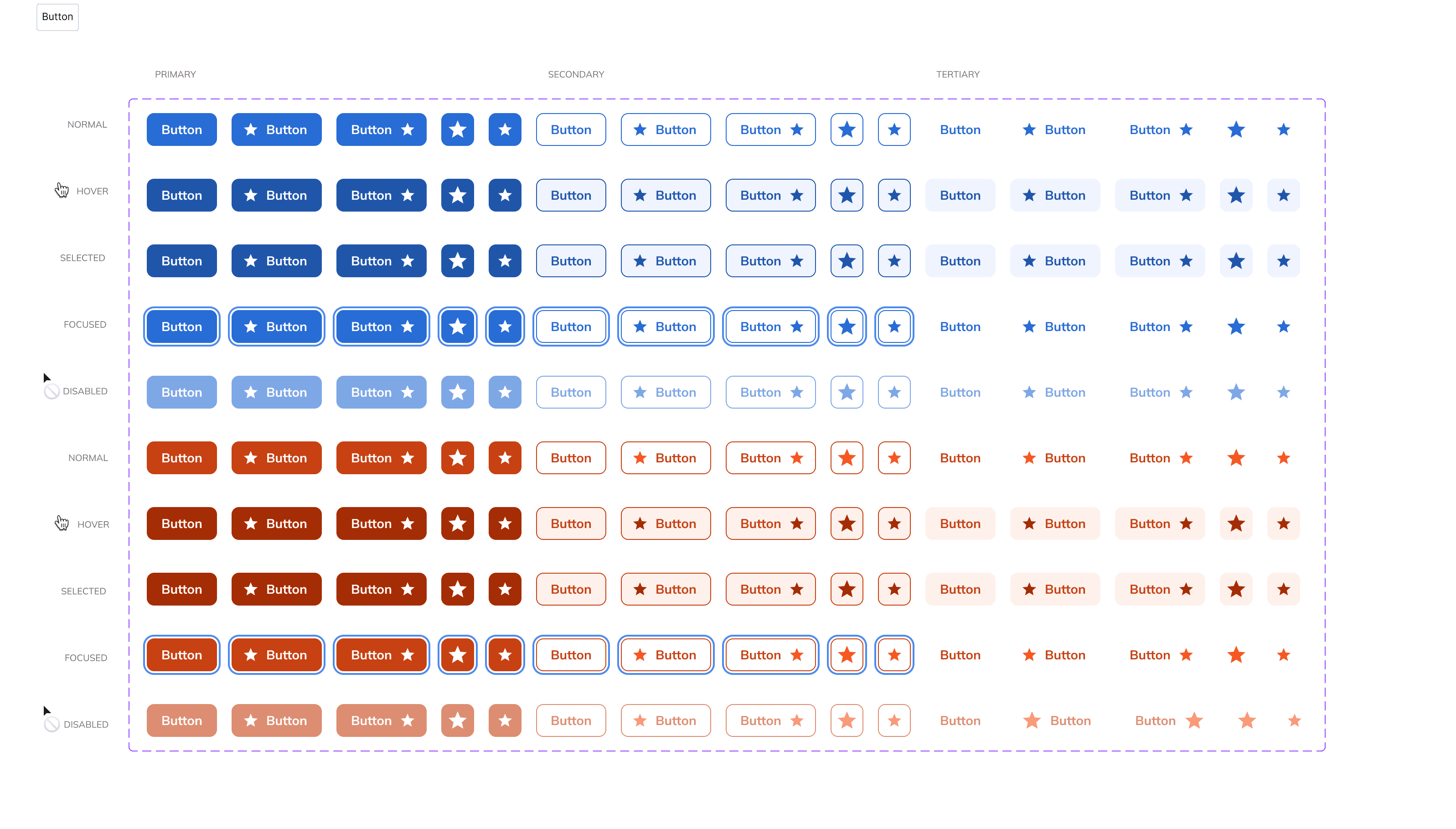
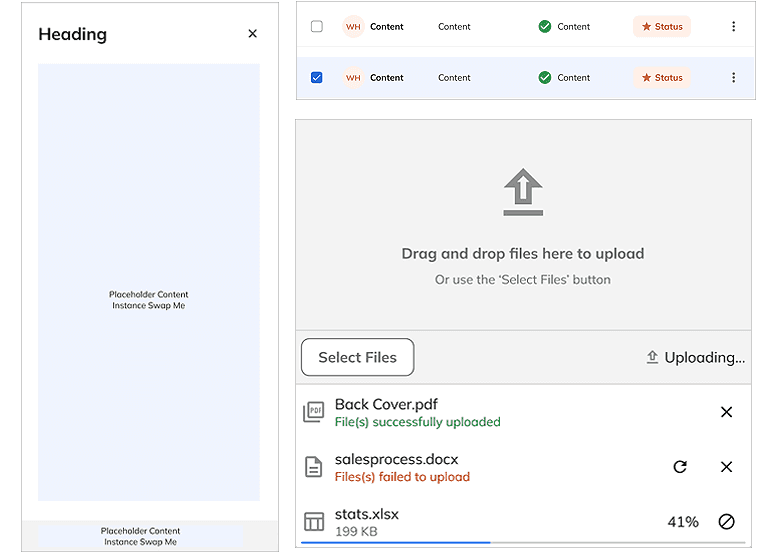
Designed core components with states, variants, constraints, and usage rules ensuring clarity for both designers and developers.

STEP 4

STEP 5

Theme & Token Development

Theme & Token Development

Theme & Token Development

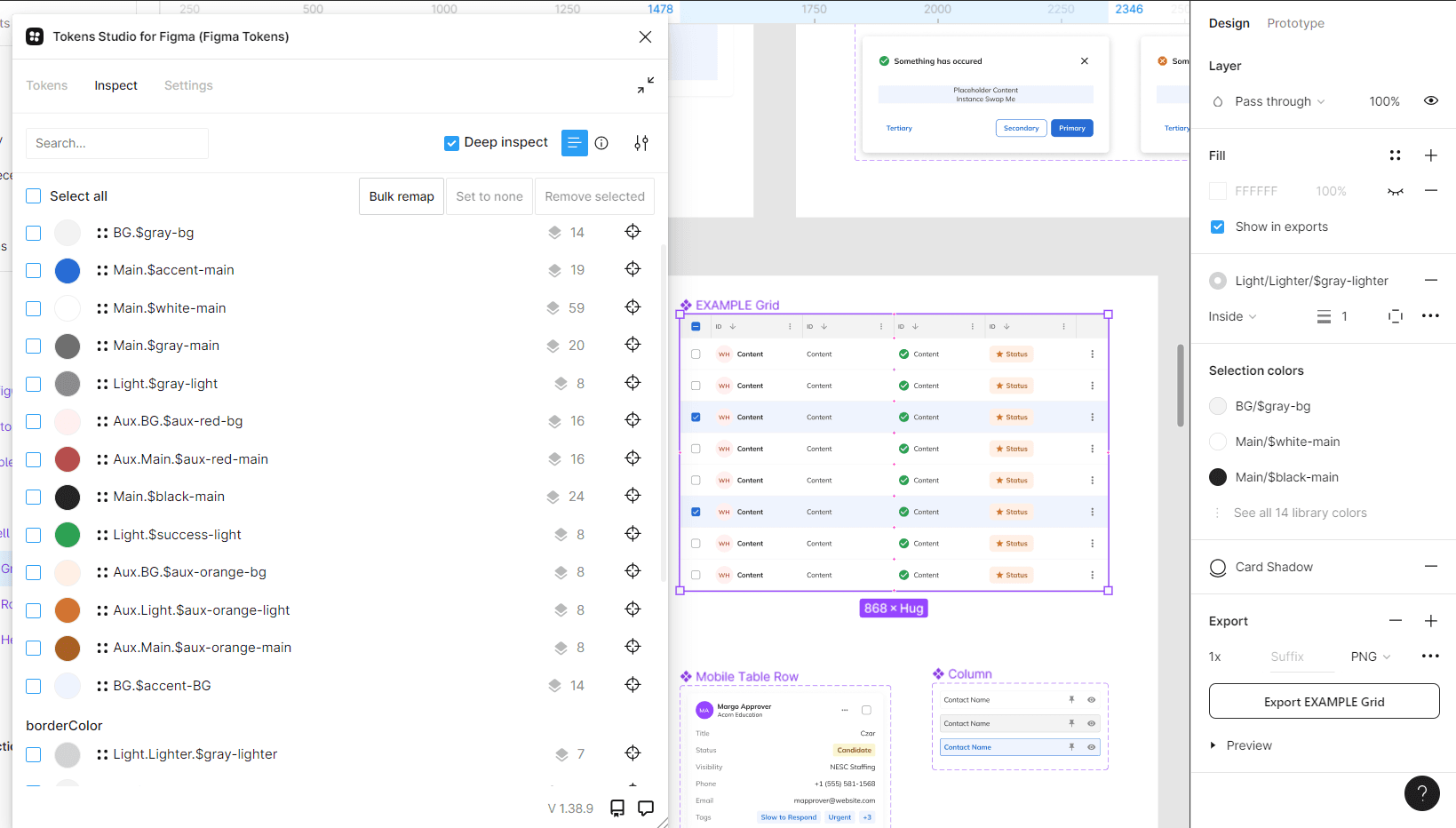
Created a tokenized theme aligned to Material and WCAG, enabling consistent styling across CRM, Payroll, and Onboarding tools.

Multi‑Framework Implementation Guidance

Multi‑Framework Implementation Guidance

Multi‑Framework Implementation Guidance

Delivered specs and engineering-ready documentation to support React, Angular, and legacy modules running in parallel.

STEP 6

STEP 7

Governance, Rollout & Adoption Support

Governance, Rollout & Adoption Support

Governance, Rollout & Adoption Support

Partnered with engineering to integrate components into active sprints, establish contribution rules, and ensure long-term adoption.

Results & Outcomes

Results & Outcomes

Results & Outcomes

Metrics

  • 40% faster UI delivery across CRM modules

  • 60% reduction in styling inconsistencies and ad‑hoc overrides

  • Component adoption across CRM, Payroll, and Onboarding teams

  • Increased engineering trust through predictable, governed patterns

  • Lower cognitive load for coordinators through consistent layouts and behaviors

Conclusion

Gator established a unified, atomic design foundation that replaced years of UI drift with a scalable, governed system. By aligning product, UX, and engineering around shared components and tokens, the platform now ships features faster, with less friction, and with a level of consistency that supports long‑term growth across the Madison ecosystem.

DELIVERABLES
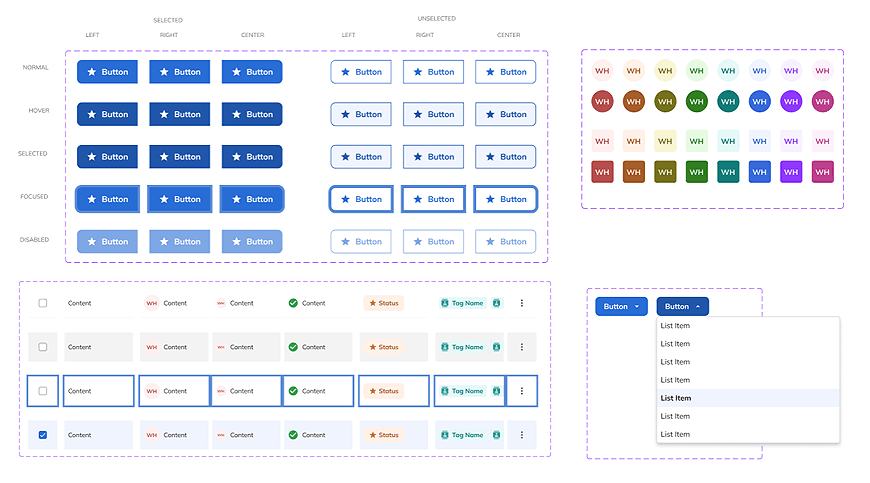
Project Gallery

Project Gallery

Components

Components

Token Settings
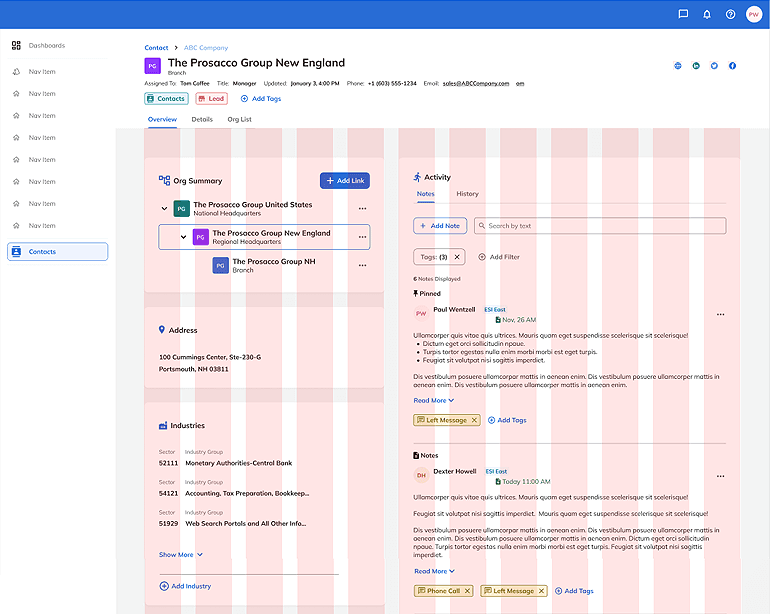
Page Components

Page Templates

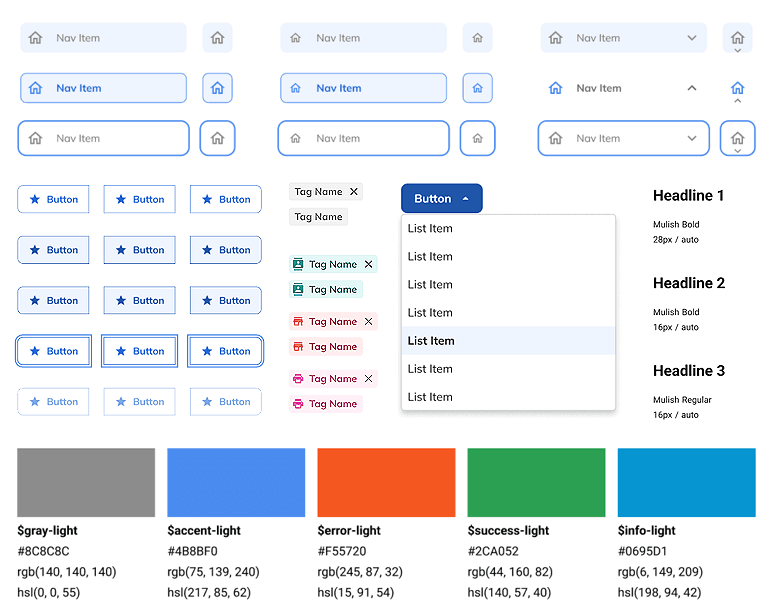
Color System
Other Projects

Flame

Sensor

Underwriting

Experience

Financial

Workspace

AI Assistant

Virtual Paul