Case Studies / Flame Sensor

Case Studies / Flame Sensor

Case Studies / Flame Sensor

Chentronics Mobile Diagnostics Platform

Chentronics Mobile Diagnostics Platform

Chentronics Mobile Diagnostics Platform

Read time: 3 - 5 minutes
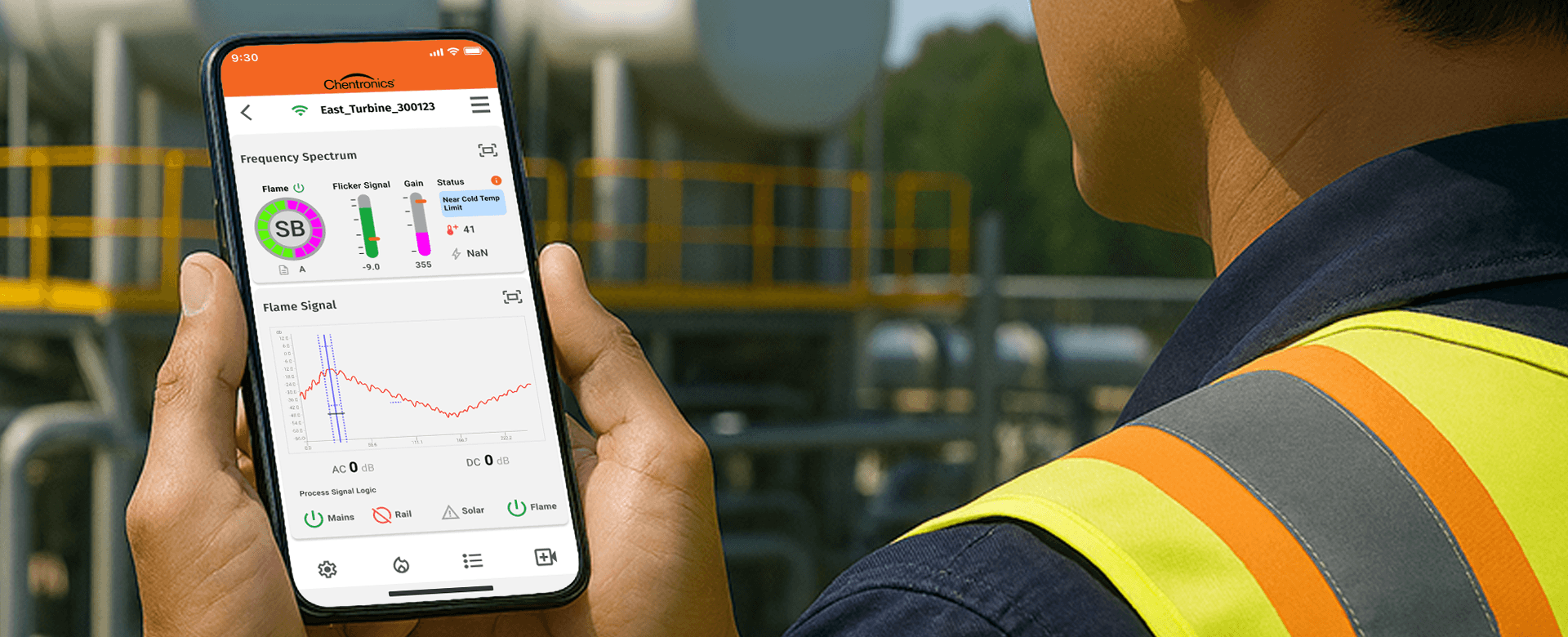
Chentronics, a leader in industrial flame detection, needed a mobile application to support technicians in the field. With the iScan®3+ launch approaching and competitors already offering mobile tools, the absence of a mobile diagnostic experience created operational risk, competitive pressure, and workflow friction.

Chentronics, a leader in industrial flame detection, needed a mobile application to support technicians in the field. With the iScan®3+ launch approaching and competitors already offering mobile tools, the absence of a mobile diagnostic experience created operational risk, competitive pressure, and workflow friction.

Role

Role

Role

Senior UX Designer

Senior UX Designer

Senior UX Designer

Timeline

6 months

6 months

6 months

Team

UX, Product, Engineering

UX, Product, Engineering

UX, Product, Engineering

Tools Used

Figma, Jira, Confluence

Figma, Jira, Confluence

Figma, Jira, Confluence

Deliverables

• Real‑time diagnostic interface

  • Sensor‑health visualization

  • Guided troubleshooting flows

  • Hardware‑integrated test states

  • Implementation‑ready UI specs

• Real‑time diagnostic interface

  • Sensor‑health visualization

  • Guided troubleshooting flows

  • Hardware‑integrated test states

  • Implementation‑ready UI specs

• Real‑time diagnostic interface

  • Sensor‑health visualization

  • Guided troubleshooting flows

  • Hardware‑integrated test states

  • Implementation‑ready UI specs

Results

• 50% faster fault identification during field diagnostics

  • Reduced technician guesswork through guided troubleshooting

  • Clearer visibility into sensor health and failure modes

  • Improved engineering confidence in data accuracy and UI behavior

  • Scalable diagnostic patterns reused across additional hardware tools

• 50% faster fault identification during field diagnostics

  • Reduced technician guesswork through guided troubleshooting

  • Clearer visibility into sensor health and failure modes

  • Improved engineering confidence in data accuracy and UI behavior

  • Scalable diagnostic patterns reused across additional hardware tools

  • 50% faster fault identification during field diagnostics

  • Reduced technician guesswork through guided troubleshooting

  • Clearer visibility into sensor health and failure modes

  • Improved engineering confidence in data accuracy and UI behavior

  • Scalable diagnostic patterns reused across additional hardware tools

The Challenge

Technicians were relying on manual checks, inconsistent logs, and trial‑and‑error to diagnose flame sensor faults. Critical signals were buried in hardware readouts, and troubleshooting steps varied widely across teams. This led to longer downtime, inconsistent repairs, and limited visibility into sensor health during high‑risk industrial operations.

MY ROLE

Senior UX Designer

Senior UX Designer

Senior UX Designer

Led the UX effort to translate complex hardware behavior into a clear, actionable diagnostic experience. Partnered with firmware engineers, product leads, and field technicians to map fault states, define sensor‑health indicators, and design guided troubleshooting flows that aligned with real‑world repair workflows.

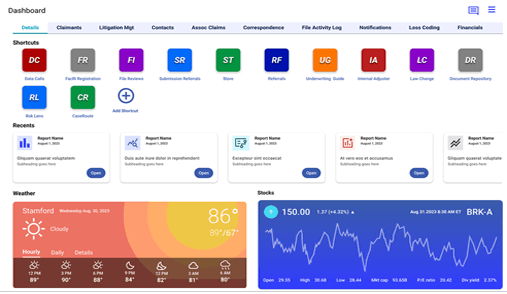
I led the strategic redesign of General Star’s underwriting dashboard, architecting a unified workflow that replaced fragmented tools and manual triage. I partnered with underwriting leadership, product, and engineering to define risk logic, streamline decision paths, and deliver a scalable, Material-aligned UI system adopted across the GENESIS G2 platform.

THE APPROACH

Process

Process

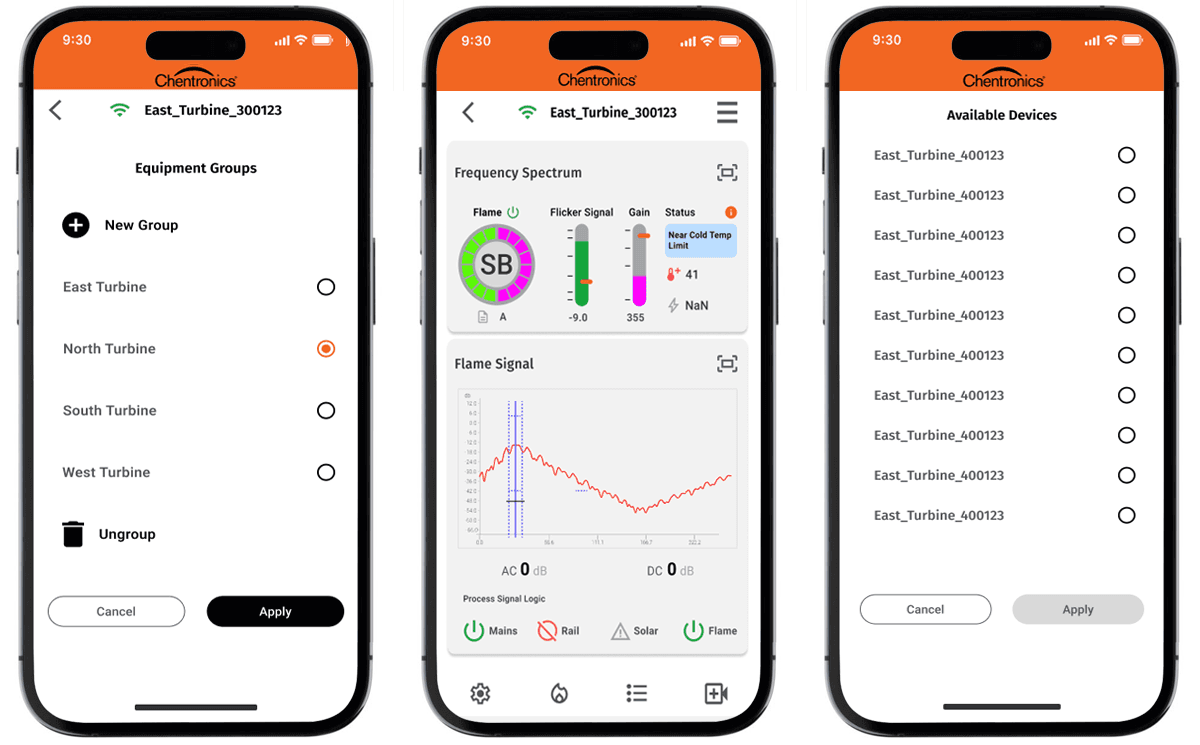
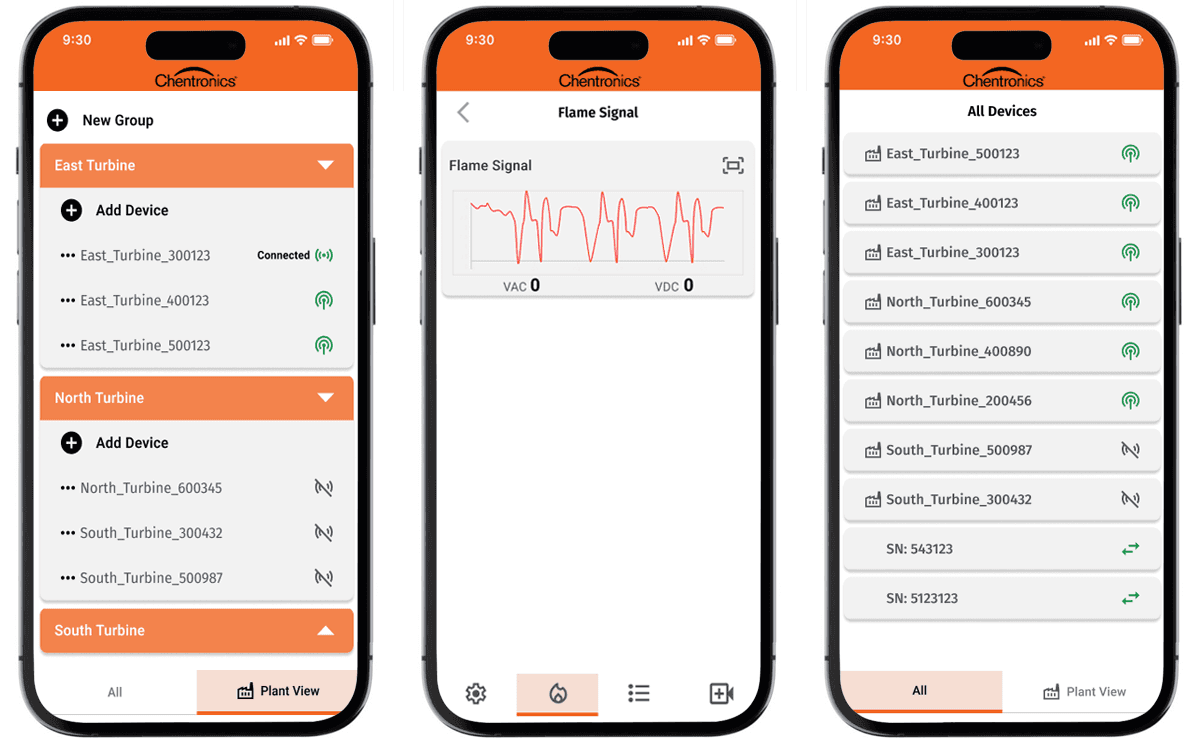
Partnered with engineering, product, and field technicians to translate complex hardware behavior into a clear, reliable diagnostic experience that reduced downtime and improved repair accuracy.

• Faster fault detection with real‑time sensor feedback

• Clearer workflows from visual fault states

• Less downtime through guided, hardware‑mirrored UI

STEP 1

Field Workflow & Hardware Audit

Field Workflow & Hardware Audit

Observed technician workflows, reviewed hardware logs, and mapped the end‑to‑end diagnostic process to identify friction and failure points.

Fault‑State Modeling & Signal Mapping

Fault‑State Modeling & Signal Mapping

Collaborated with firmware engineers to translate raw sensor data into readable states, thresholds, and health indicators.

STEP 2

STEP 3

Diagnostic Flow Architecture

Diagnostic Flow Architecture

Designed structured troubleshooting paths that surfaced root causes, recommended actions, and real‑time sensor feedback.

UI Design & Interaction Patterns

UI Design & Interaction Patterns

Created a clean, industrial‑safe interface with clear hierarchy, color‑coded states, and guided steps aligned to technician behavior.

STEP 4

STEP 5

Hardware‑Integrated Prototyping

Hardware

Integrated Prototyping

Tested UI behavior against live hardware signals using engineering test rigs to validate timing, accuracy, and state transitions.

Implementation Support & Refinement

Implementation Support & Refinement

Delivered specs, collaborated with engineering during integration, and refined interactions based on real‑world test feedback.

STEP 6

Results & Outcomes

Results & Outcomes

Results & Outcomes

Metrics

  • 50% faster fault identification during field diagnostics

  • Reduced technician guesswork through guided troubleshooting flows

  • Clear visibility into sensor health, thresholds, and failure modes

  • Improved engineering confidence through accurate, real‑time signal mapping

  • Diagnostic patterns reused across additional hardware tools, reducing future design efforts

Conclusion

The diagnostic tool replaced a manual, error‑prone workflow with a clear, real‑time interface that aligned hardware signals with technician behavior. By surfacing sensor health, fault states, and guided troubleshooting steps, the system reduced downtime, improved repair consistency, and established a scalable diagnostic framework for future Chentronics hardware products.

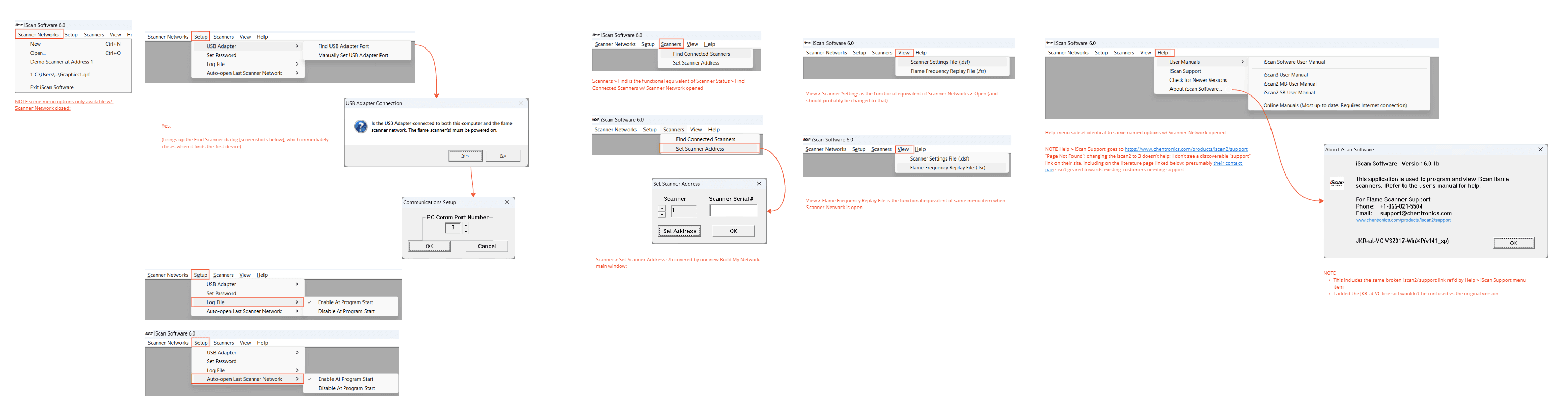
DELIVERABLES
Project Gallery

Project Gallery

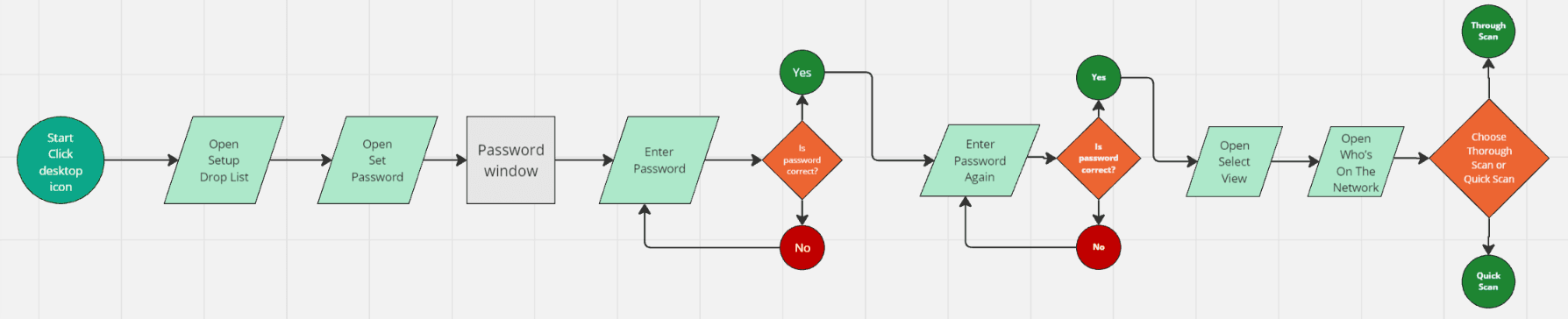
Technician Workflows

Sensor Configuration

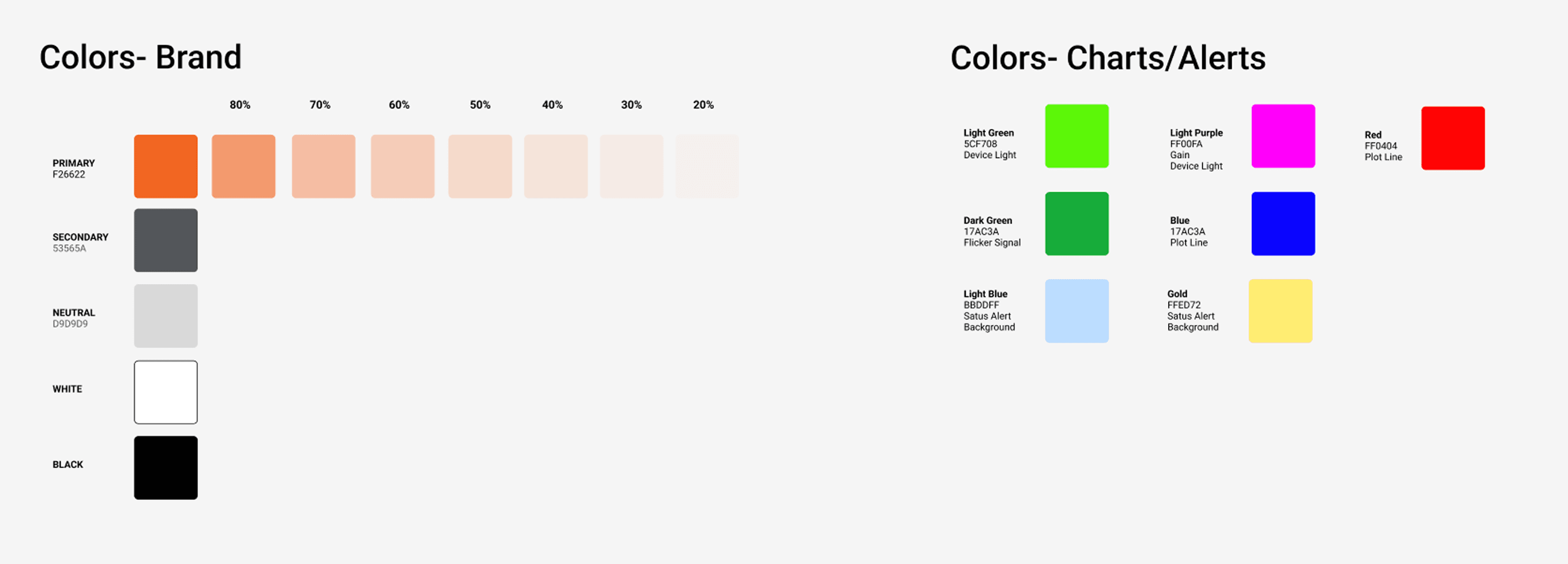
Visual Identity
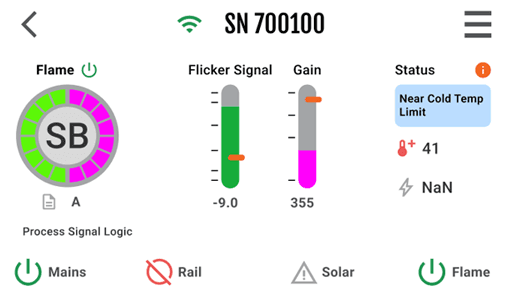
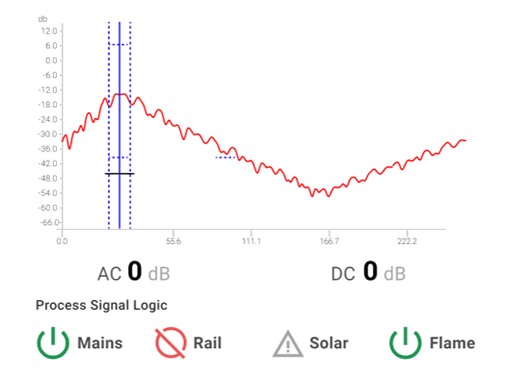
Data Visualization

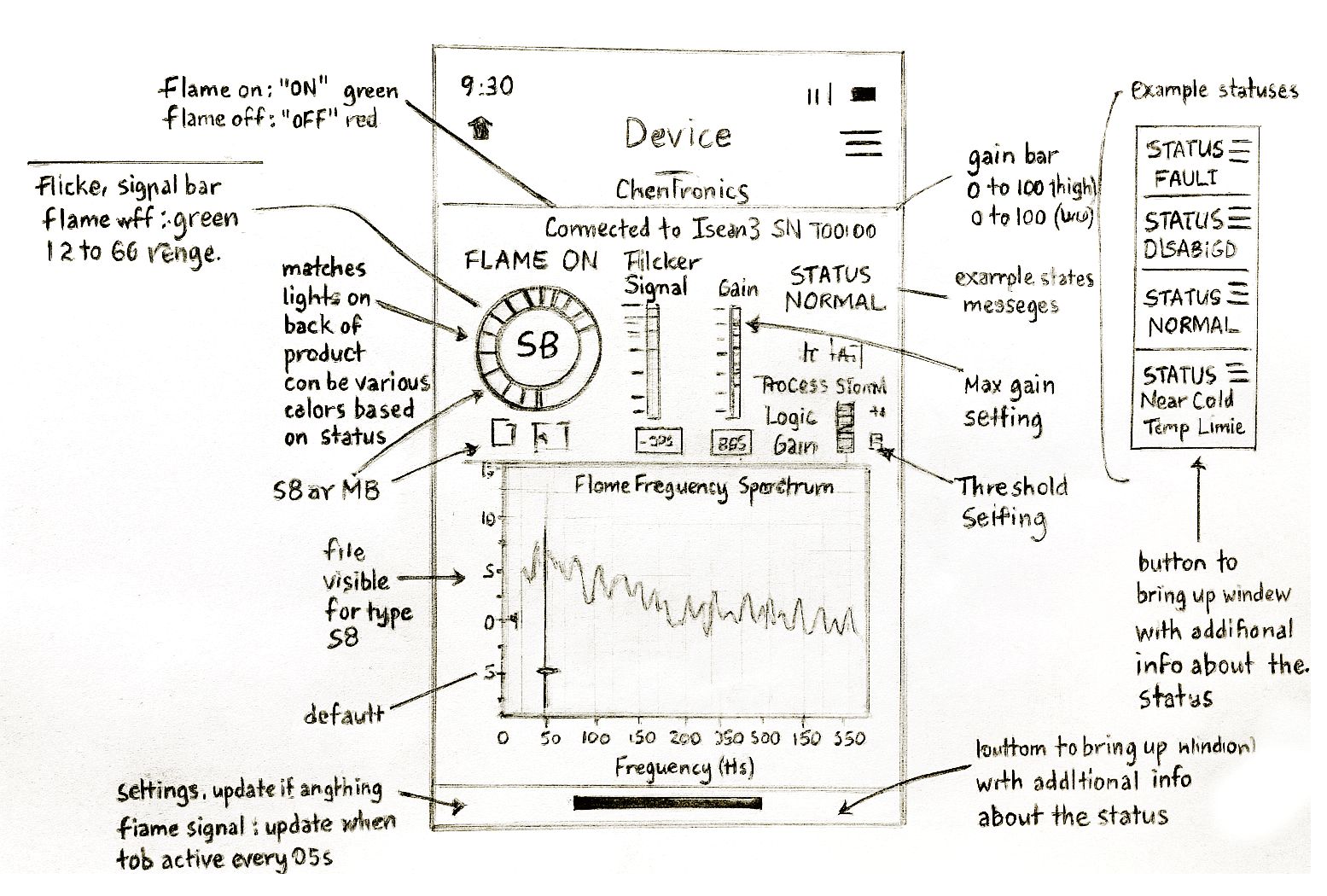
Wireframes

Data Visualization
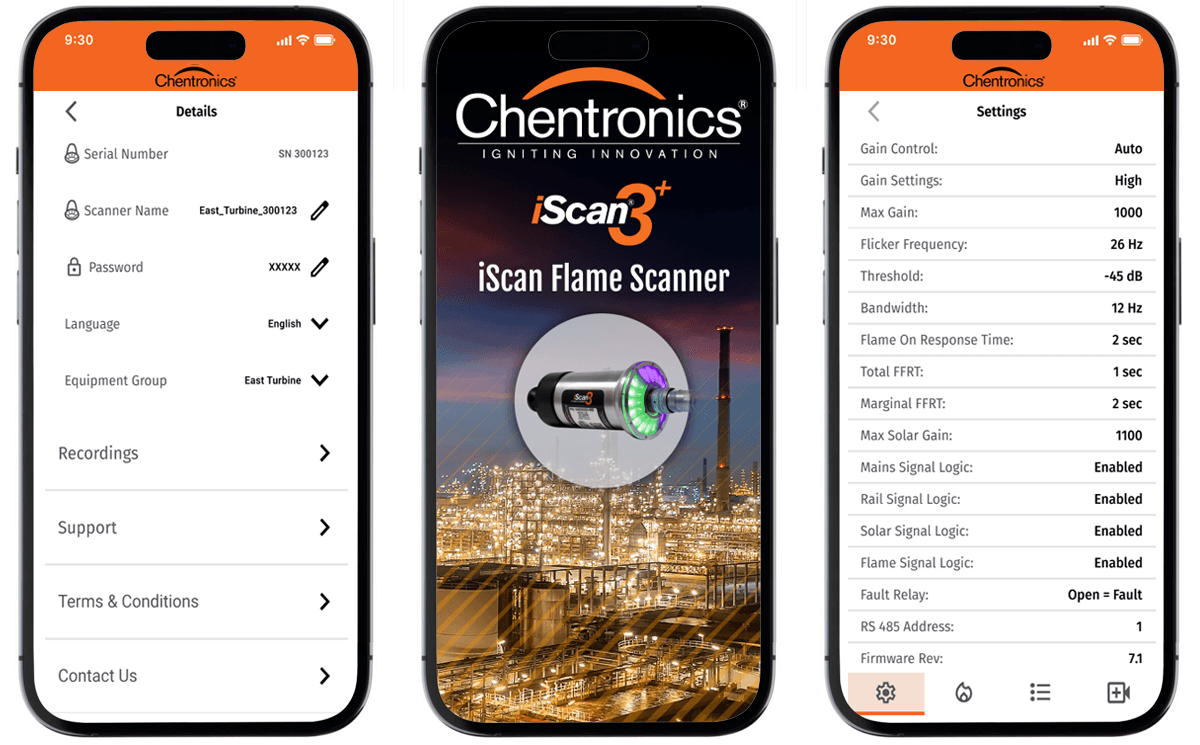
Final Designs

Final Designs

Final Designs

Prototype
Other Projects

Underwriting

Experience

Gator Design

System

Financial

Dashboard

AI Assistant

Virtual Paul